|
Aspect |
D2C |
B2C |
|
Who sells to the consumer |
The brand itself |
Could be a retailer, marketplace or the brand |
|
Channel ownership |
Brand owns the channel |
Channel may be third-party |
|
Customer data access |
Full access |
Limited or little control |
|
Margin control |
Higher profit margins (no middlemen) |
Lower (retailer markup removed from brand) |
|
Brand experience |
Fully controlled |
Partially or not controlled |
How KwikAds helped Shop Unrush boost ROAS by 37% in 3 months
How KwikAds helped Shop Unrush boost ROAS by 37% in 3 months
How KwikAds helped Shop Unrush boost ROAS by 37% in 3 months
How KwikAds helped Shop Unrush boost ROAS by 37% in 3 months
Kwik Engage
What is D2C? The Complete Guide to Direct-to-Consumer Commerce
 11 Jun 2026
 13 Min Read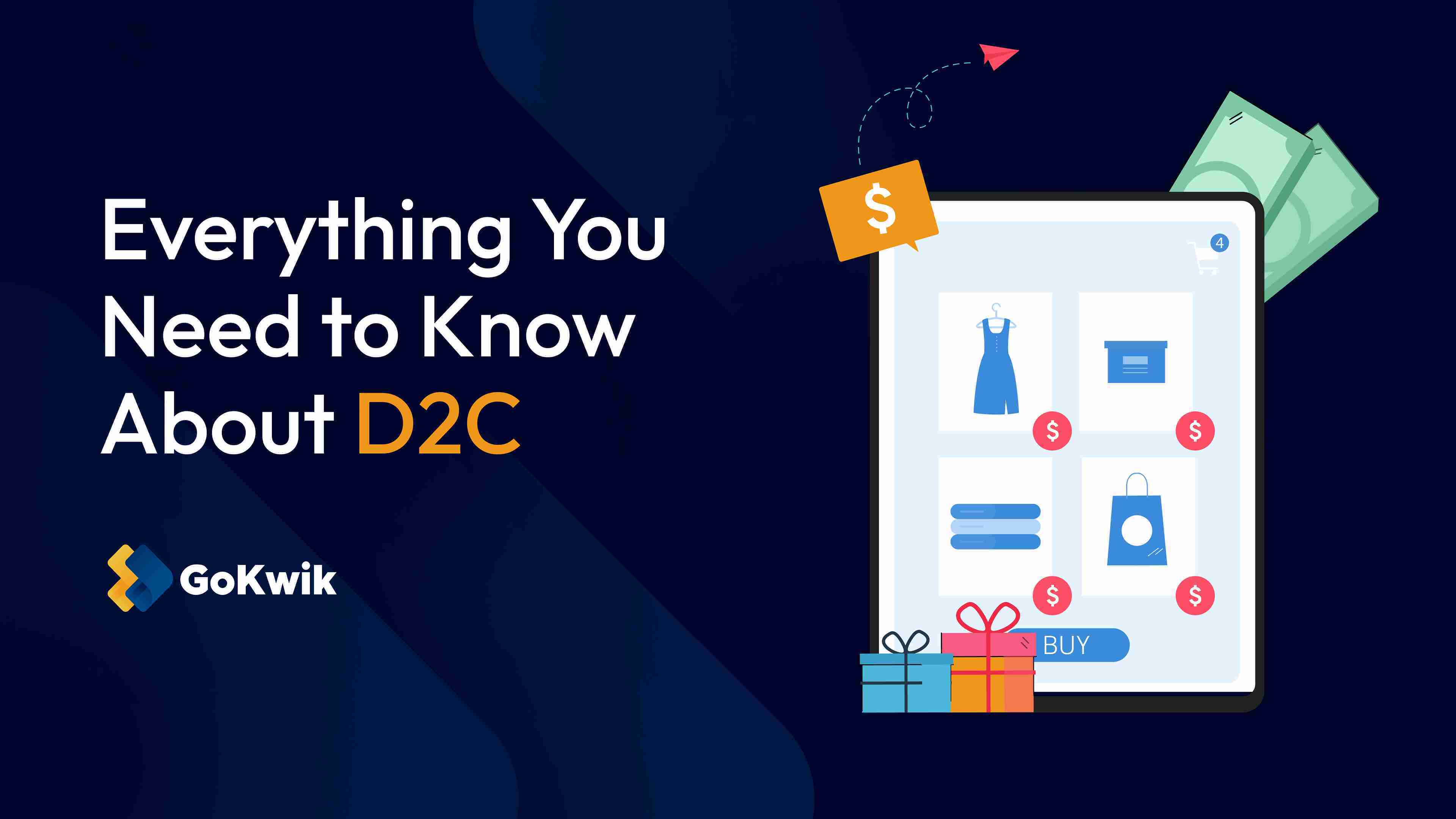
Atul leads marketing at GoKwik, championing D2C brand building, growth strategies, scalable GTM for e-commerce, and data-driven customer acquisition. A former Amazon leader and IIFT MBA alumnus based in Bengaluru, he brings 15+ years scaling business across e-commerce, and fintech.
Read this blog on your favourite platform
India's D2C ecosystem has moved from a founder-led ecommerce trend to a serious growth channel for consumer brands across categories. From beauty and fashion to food, pet care, electronics and home products, brands now want direct access to the shopper and the purchase journey. The shift toward DTC sales is reshaping how Indian companies think about customer acquisition and retention.
At the same time, building a D2C business is not as simple as launching their own website and running ads. Brands must acquire traffic, reduce checkout drop-offs, manage COD risk, prevent RTO, and handle returns without losing margin. Each of these challenges requires a specific solution and solving them together is what separates profitable D2C brands from ones that stall after launch.
This blog explains what is D2C, how the business model works, where it differs from B2C and how GoKwik helps Indian D2C brands convert more shoppers into profitable orders. Whether you are planning to launch a new D2C brand or looking to scale an existing one, this guide covers what matters most.

What is Direct-to-Consumer Commerce (D2C)?
A common question that many businesses face while considering their business model is ‘What is D2C?’ It is a business model where a brand sells its products directly to end consumers. There is no dependence on distributors, wholesalers, Amazon, Walmart or traditional retail stores as the primary sales channel.
The brand handles every stage of the customer journey from product discovery through checkout to post-purchase communication. This direct relationship defines what is D2C means and makes it different from any other ecommerce model.
A D2C brand owns the entire process, from the landing page to order confirmation and the delivery experience. The brand controls the website, product pages, checkout flow, offers, customer data, fulfillment experience, and retention campaigns. This complete control over the shopping experience enables D2C brands to personalize every touchpoint and build a direct line to shoppers that intermediaries would otherwise own.
This is different from traditional retail, where the customer relationship often sits with the retailer or marketplace rather than the brand. In D2C, the brand has a strong relationship with the shopper through owned channels, which makes the model powerful for customer engagement, repeat purchases and product feedback. Understanding what D2C means at this operational level is the first step toward building a brand that scales profitably in India's competitive ecommerce market.
How Does the D2C Business Model Work?
The D2C business model removes several intermediaries between the brand and the buyer. This gives the brand total control, while making it responsible for the entire process.
- Production: The brand either manufactures in-house or partners with contract manufacturers while owning the product design, specifications and packaging standards. This ownership ensures consistent product quality and gives the brand full control over production timelines, costs and material sourcing decisions.
- Online Store: The D2C brand runs its own website on Shopify, WooCommerce or a custom-built ecommerce platform instead of relying on third-party online stores as the primary channel. This gives the brand ownership of the checkout flow, customer data and brand identity presentation at every step.
- Marketing: The brand acquires individual customers directly through paid media, social media platforms, WhatsApp, influencers, email and search engine optimization rather than depending on retailer footfall. This direct marketing strategy lets the brand test offers, audiences and creative formats without sharing data with a distributor or marketplace.
- Fulfillment: The brand handles logistics and shipping directly through owned warehouses or 3PL partners, delivering products straight to the end consumer. This control over fulfillment affects delivery speed, packaging quality, customer experience, and return handling.
- Customer Relationship: The brand owns all customer data, including purchase history, contact details, and behavioral signals for retargeting and retention campaigns. This data powers personalized offers, replenishment reminders, customer loyalty programs, and product development decisions.
D2C vs B2C: What is the Difference?
B2C is the broader category that covers any business selling to individual customers through any channel. What is D2C within that context? It is a specific type of B2C where the brand sells directly and maintains complete control of the customer relationship, data and experience.
A brand selling through its own website is operating a D2C channel with direct access to the shopper. The same brand selling through Amazon, Flipkart or a retail chain is still B2C for that transaction, but not fully D2C. This is so because the marketplace controls the checkout, customer data and post-purchase communication.
Why Brands Choose the D2C Model?
Indian brands across categories are choosing D2C because it gives them direct access to shoppers and the data that drives profitable growth. Here is why the model appeals to brands that want to build long-term value:
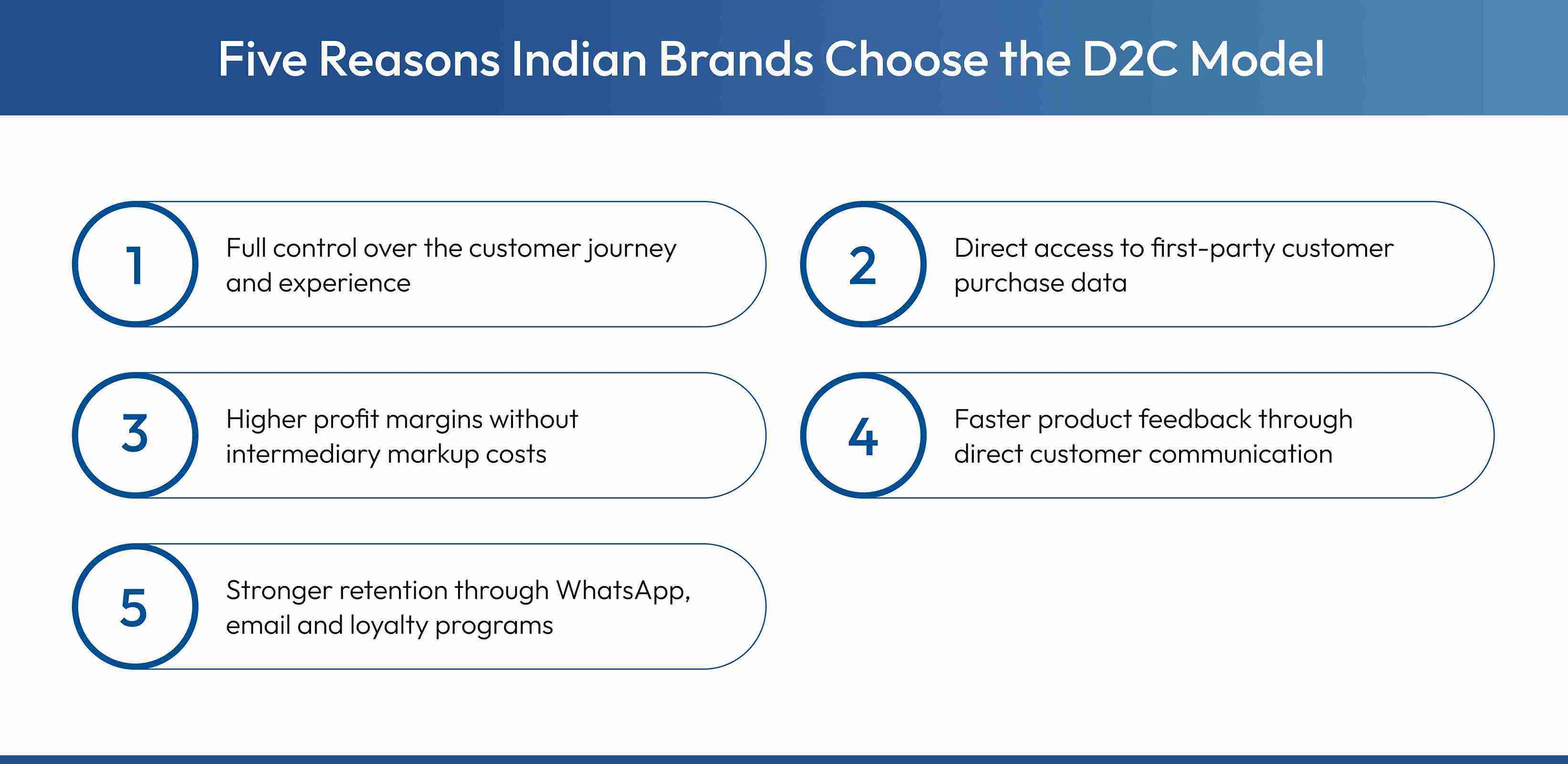
- Control Over the Customer Journey: D2C brands control the landing page, product detail page, cart, checkout, delivery communication, and post-purchase experience without sharing that control with any resellers or marketplaces. This helps them build a consistent brand identity and customer experience that reinforce trust at every touchpoint, from the first visit to repeat purchase.
- Access to First-Party Data: Brands can track what shoppers view, add to cart, abandon, buy, return and repurchase across their own website and marketing channels. This customer data supports better offers, smarter retargeting, stronger customer engagement and informed product planning decisions than brands with limited marketplace data access can achieve.
- Higher Margin Potential: Removing intermediary layers like distributors and wholesalers can improve gross margin on every order the brand fulfills directly through DTC sales. D2C brands must still manage ad spends, logistics costs, returns, discounts and technology costs. So, higher profit margins require operational discipline alongside the structural advantage of direct selling.
- Faster Product Feedback: D2C brands can test new products, collect reviews, study repeat purchases and improve offers faster than brands that depend on retailer-led sell-through reports and delayed feedback loops. Launching a limited run of own products and measuring response in real time gives D2C brands a product development speed advantage.
- Stronger Retention Economics: Direct relationships through owned channels enable brands to use WhatsApp, email, SMS, customer loyalty programs and personalized offers to drive repeat purchases from their existing customer base. Customer engagement through these channels costs a fraction of acquiring new shoppers through paid media.
_1781153311. jpg)
Biggest Challenges in Building a D2C Brand
Understanding what is D2C also means understanding the operational challenges that come with owning every stage of the customer journey.
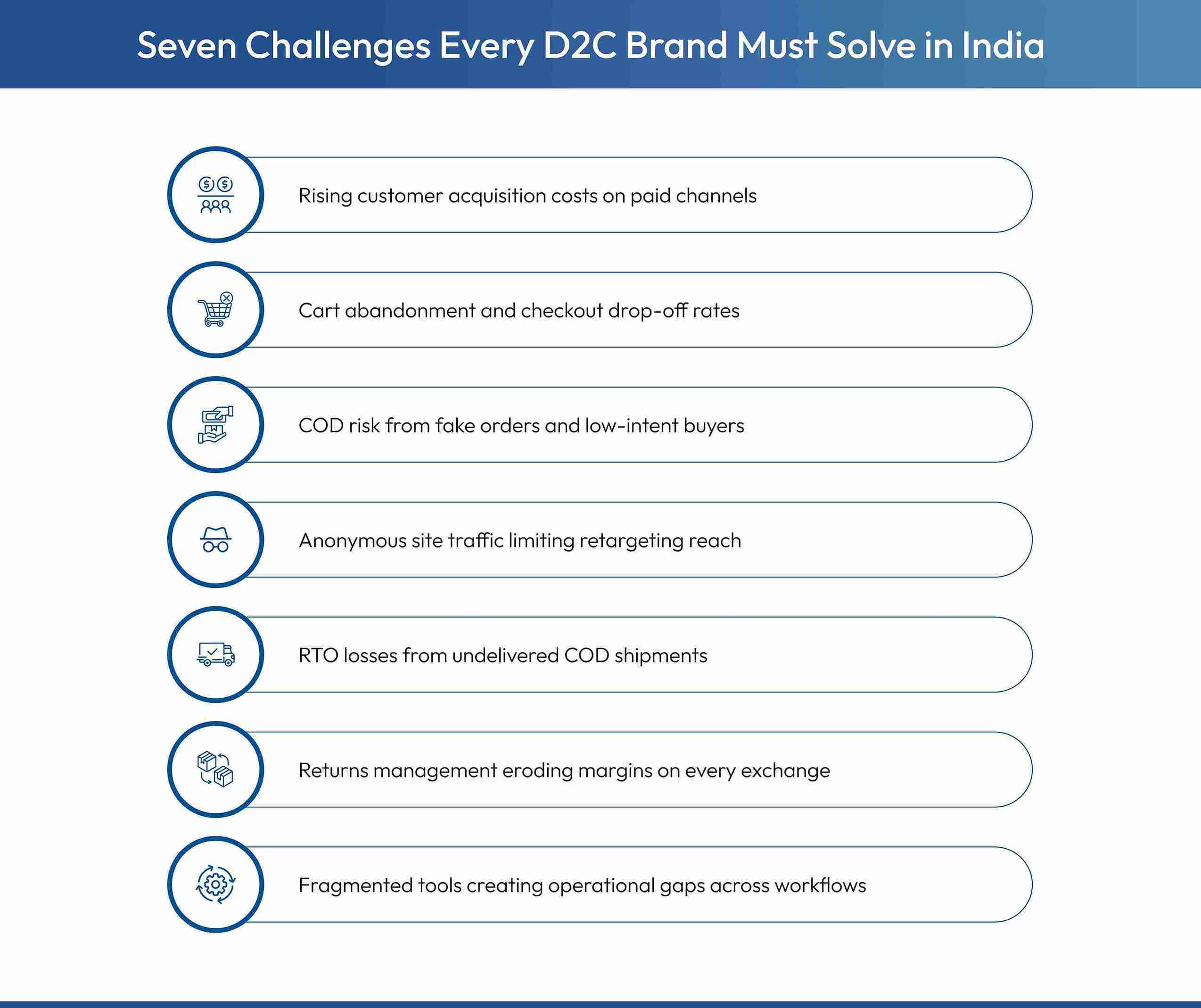
These are the challenges that D2C brands must solve to achieve sustainable growth.
|
Challenge |
Why It Matters |
How to Address It |
|
Rising customer acquisition cost |
Paid traffic on Meta and Google ads becomes expensive when brands depend too heavily on one or two paid channels without organic and retention support |
Diversify across SEO, social media, WhatsApp marketing and influencers to reduce dependence on paid-only acquisition |
|
Checkout drop-offs |
Many shoppers leave after adding products to cart because the checkout feels slow, unfamiliar or requires too many form fields |
Use pre-filled checkout, one-tap login and smart discounting to reduce friction at the payment step |
|
COD risk |
COD improves conversion in India because shoppers trust the model, but it also increases cancellation, fake order and RTO risk for the brand |
Implement COD verification flows through WhatsApp and surface prepaid conversion incentives at checkout |
|
Anonymous traffic |
Many visitors browse the D2C store without logging in, which limits the brand's ability to retarget and recover those sessions |
Use network-level shopper identification and WhatsApp opt-in popups to convert anonymous visitors into identifiable leads |
|
RTO and failed delivery |
Return-to-origin directly hurts margin because the brand loses the forward shipping cost, reverse logistics cost and the sale opportunity simultaneously |
Score every COD order for RTO risk before dispatch and use pin code intelligence to block high-risk transactions |
|
Returns and exchanges |
Poor returns management turns a recoverable transaction into a permanently lost customer and a full refund that exits the brand ecosystem |
Offer self-service return portals with exchange incentives and store credit options that retain revenue within the brand |
|
Tool fragmentation |
Running separate tools for checkout, WhatsApp, customer service, returns, shipping and ads creates operational gaps and data silos |
Use a connected product suite that shares data across checkout, marketing, fulfilment and returns in one ecosystem |
Examples of D2C Brands from India
Several Indian brands have used D2C channels to build stronger customer relationships, sharper positioning and better control over the entire process. These examples show how the model works across different product categories.
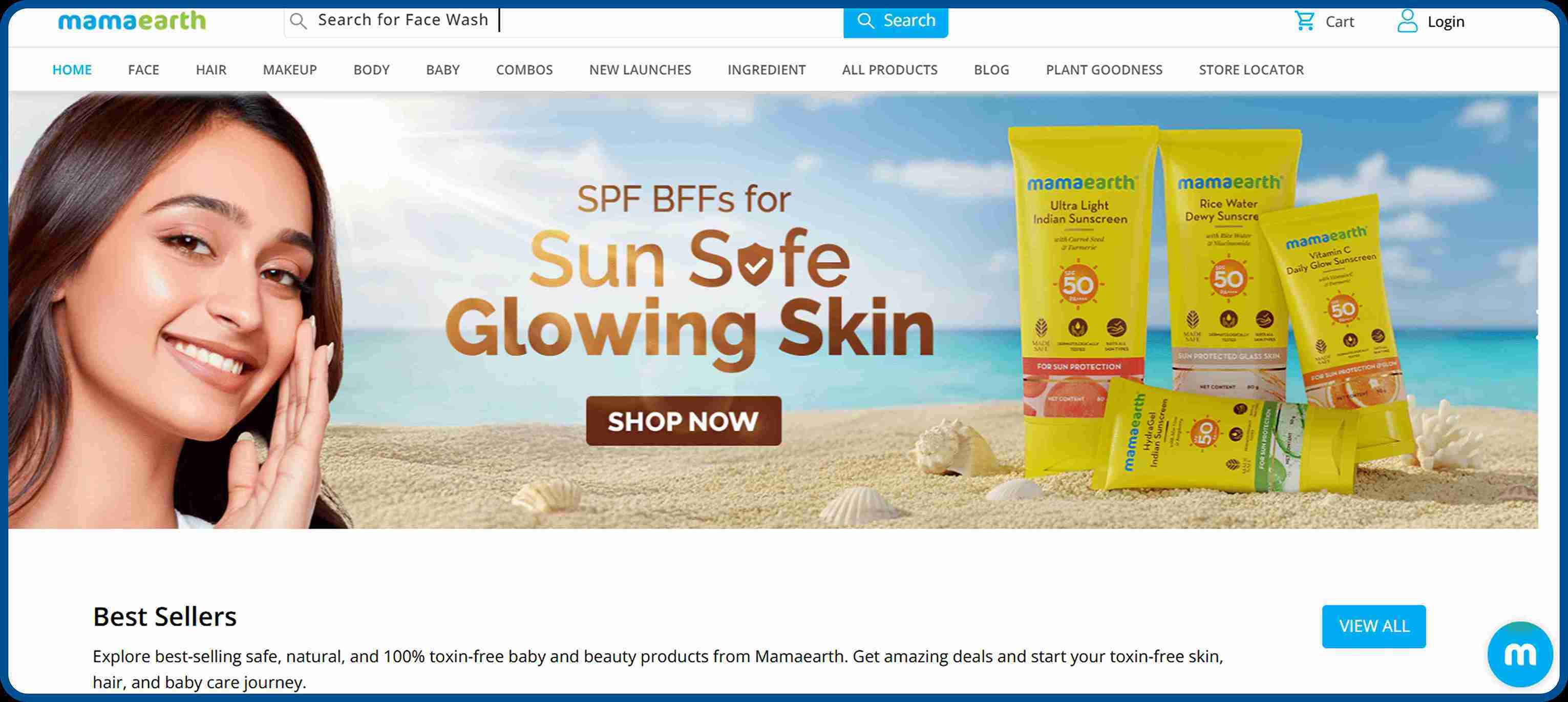
- Mamaearth: Mamaearth built a strong D2C presence in personal care by focusing on toxin-free products, digital discovery and direct customer education through social media platforms. The brand used direct customer engagement and influencers-led campaigns to scale from a startup into a publicly listed company.
- boAt: boAt became a leading audio and wearables brand by using digital-first distribution, youth-focused brand identity and creator-led product visibility across social media. The brand reached over Rs. 3,000 crores in revenue through DTC sales and marketplace channels combined.
_1781153311.jpg)
- SUGAR Cosmetics: SUGAR Cosmetics scaled through bold beauty positioning, direct digital customer engagement and a product range designed specifically for Indian skin tones and preferences. The brand built its D2C channel alongside retail expansion to maintain full control over pricing and customer data.

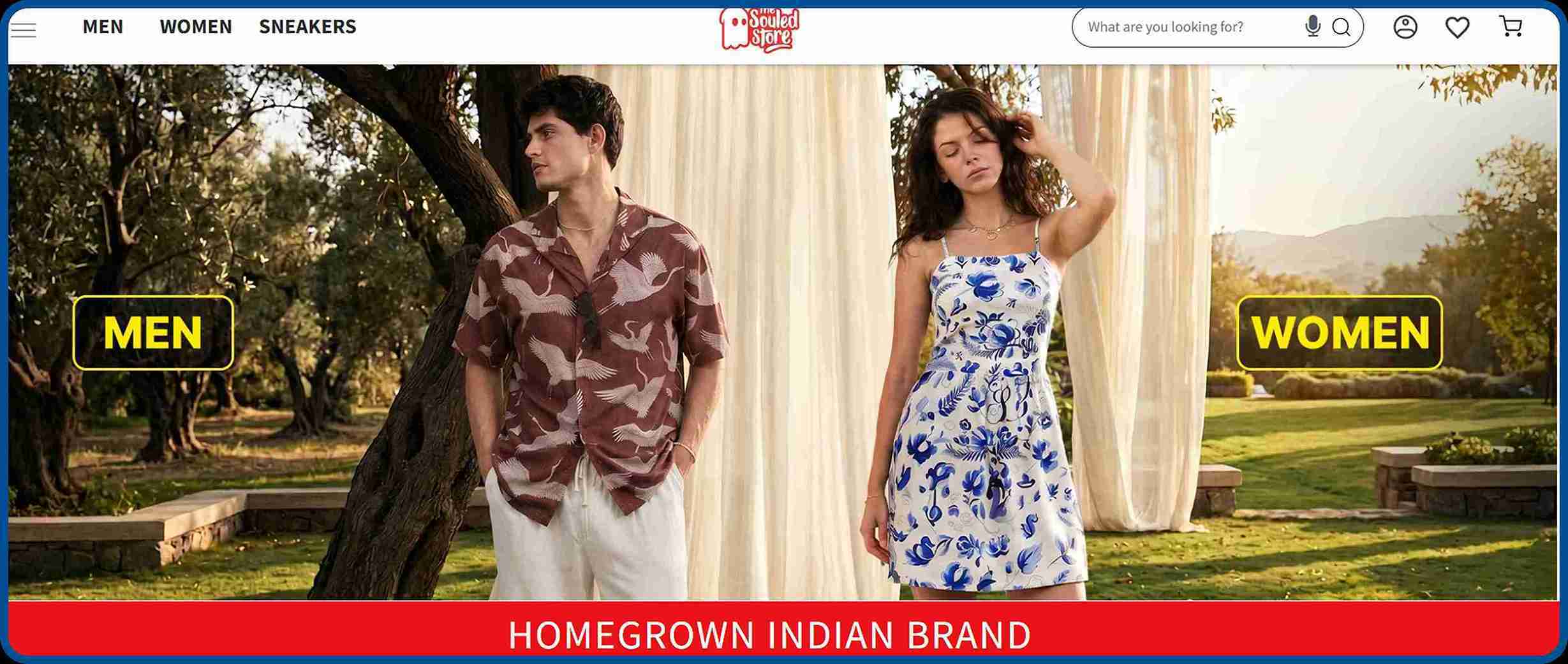
- The Souled Store: The Souled Store built a D2C fashion community around pop culture, licensed merchandise, casualwear and strong youth-focused storytelling across its own website and social media platforms. The brand's direct relationship with its customer base drives high repeat purchase rates and strong community engagement.
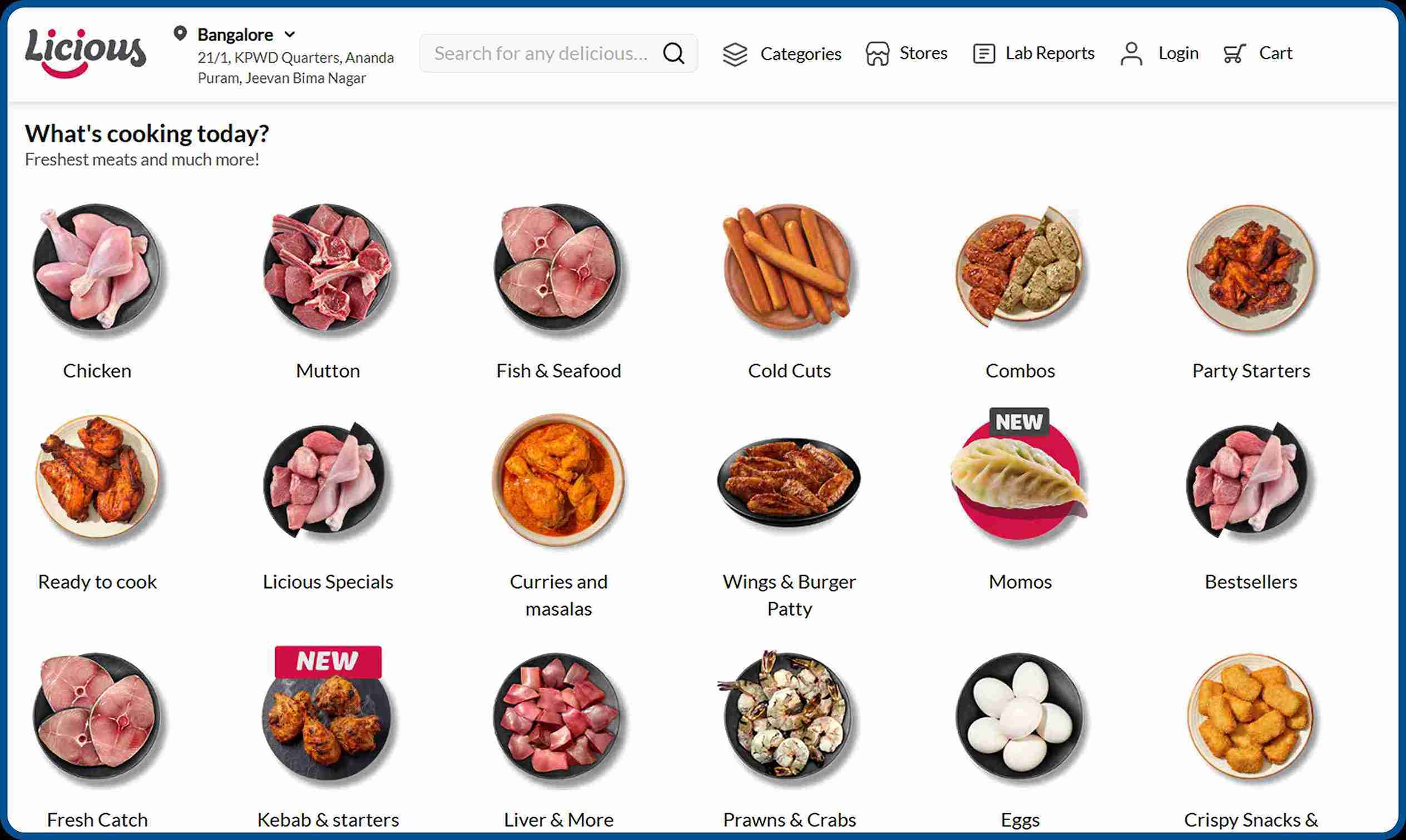
- Licious: Licious used the D2C business model to improve trust in fresh meat delivery through quality control at every stage of the supply chain. Direct ordering, temperature-controlled fulfilment and better customer experience helped the brand grow to over 28 cities in India.
How GoKwik Helps D2C Brands Convert and Scale
Understanding and executing the D2C model profitably at scale in India requires solving for checkout conversion, RTO management, WhatsApp retention and returns simultaneously.
GoKwik's product suite is built specifically for these challenges, providing D2C brands with a connected infrastructure that addresses every post-click touchpoint on a single platform.
- Kwik Pass for Instant Login: Kwik Pass gives returning shoppers a one-tap SSO login using mobile number or Truecaller, eliminating the account creation barrier that causes drop-off on second and third visits. For D2C brands building a repeat buyer customer base, removing login friction at every return visit delivers one of the highest-ROI improvements available.
- Kwik Ads for Smarter Acquisition: Kwik Ads uses first-party GoKwik network data built from verified purchase signals across thousands of D2C brands to improve ROAS on retargeting and re-acquisition campaigns. This first-party data advantage reduces dependence on third-party audience targeting affected by privacy changes.
- Kwik Engage for WhatsApp Retention: Abandoned carts, COD verification, post-purchase flows, and broadcast campaigns can run from one platform. Kwik Engage supports WhatsApp, SMS, email, real-time triggers, automated journeys, and conversational commerce.
- GoKwik Cart for Higher AOV: The cart becomes a revenue opportunity before checkout. GoKwik Cart supports AI upsells, cart discounts, free gifts, tiered rewards, milestone nudges, and cart analytics.
- Kwik Checkout for Conversion and RTO Control: Kwik Checkout pre-fills address data from the 200M+ GoKwik network, runs COD-to-prepaid nudges, applies RTO intelligence with 70+ interventions and supports A/B testing of checkout workflows through Kwik Flows. Brands using Kwik Checkout report conversion rates significantly above the Indian ecommerce industry average.
- Kwik Ship for Smarter Logistics: D2C brands need delivery control without building everything in-house. Kwik Ship helps brands manage courier allocation, tracking visibility, delivery speed, and RTO risk during transit.
- Return Prime for Revenue Retention: Return Prime offers self-service return portals and exchange incentives that convert unavoidable returns into repeat purchase commitments rather than permanent revenue exits. For D2C brands in categories with high return rates, this tool protects margin that standard refund flows permanently lose.
Final Take
At its core, D2C is a business model that puts the brand in total control of the customer relationship, the data, and the entire purchase experience, from the first click to post-delivery. Indian brands that choose D2C gain higher profit margins, direct access to customer data, faster product feedback, and stronger retention economics than brands that rely on intermediaries.
The challenges of D2C in India are real, from rising acquisition costs and checkout drop-offs to COD risk, RTO losses and returns management. Solving them requires connected infrastructure that shares data across checkout, marketing, fulfillment and returns in one platform. GoKwik's product suite addresses every one of these challenges for Indian D2C brands.
Book a demo with GoKwik today and see how the full product suite helps your D2C brand convert more orders and scale profitably.
Frequently Asked Questions

AUTHOR
Atul Bansal
Head of Marketing