|
Pros |
Cons |
|
Powerful developer APIs and documentation |
Requires technical setup and maintenance |
|
Wide global payment method support |
No built-in RTO or COD management |
|
Strong fraud detection at transaction level |
Customer support response can be slow |
How KwikAds helped Shop Unrush boost ROAS by 37% in 3 months
How KwikAds helped Shop Unrush boost ROAS by 37% in 3 months
How KwikAds helped Shop Unrush boost ROAS by 37% in 3 months
How KwikAds helped Shop Unrush boost ROAS by 37% in 3 months
Kwik Engage
15 Best E-Commerce Payment Gateways for 2026: A Complete Comparison
 06 Jun 2026
 18 Min Read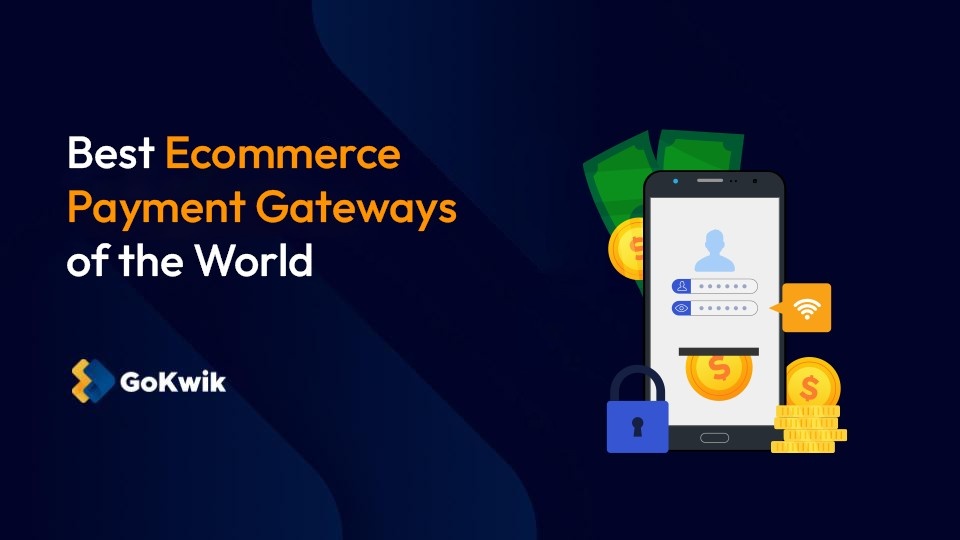
Parousia leads product marketing strategies at GoKwik, and she is an expert in driving e-commerce optimisation, conversion growth, and innovative GTM strategies. She crafts compelling messaging and creates content pertaining to D2C commerce.
Read this blog on your favourite platform
An ecommerce payment gateway is one of the few infrastructure decisions that directly touches every order you process. Pick the wrong one and you pay for it in failed transactions, slow settlements, and checkout drop-off you can't diagnose.
The 15 gateways in this guide cover different use cases, developer-first APIs, BNPL-native checkout, platform-integrated processing, and enterprise-scale global commerce. None of them do everything well.
This guide breaks down what each gateway actually does, where it creates friction, and how to choose based on your store's volume, geography, and customer base, not just transaction fees.
_1779350638.jpg)
What is an E-Commerce Payment Gateway?
An ecommerce payment gateway is the technology layer that sits between your store's checkout page and the financial institutions that approve or decline a transaction. It captures payment information, encrypts sensitive data, runs fraud checks, and communicates with the issuing bank in real time before confirming the order.
Unlike a standard payment processor or generic payment processing software, an ecommerce payment gateway is built to handle the card-not-present nature of digital transactions, where data security and speed are the only things preventing a shopper from closing the tab.
A strong ecommerce payment gateway does all of the following:
- Supports the global and local payment methods your specific customer base actually uses across regions.
- Encrypts sensitive customer data and meets PCI-DSS compliance and global industry standards for data security.
- Delivers seamless integration with your ecommerce platform without added developer cost or configuration overhead.
- Loads fast on mobile app and desktop, protecting the user experience at every checkout step.
- Prevents data breaches through tokenization and end-to-end encryption across every online transaction processed.
- Gives online businesses full visibility into transaction details, chargebacks and settlement status in one dashboard.
- Routes digital payments from the customer's bank to your merchant account securely and in real time.
Types of Payment Gateway Solutions for E-Commerce
The types of payment gateways available to ecommerce brands differ significantly in setup complexity, control over the checkout experience, and the level of data security they offer. Understanding which category fits your store avoids costly integration mistakes later.
Here is how each type of payment gateway works in practice.
- D2C Conversion-Focused Checkout Solutions: These are purpose-built for ecommerce brands that need more than payment processing from their checkout infrastructure. Kwik Checkout is a strong example, combining checkout speed, RTO fraud intelligence, and post-purchase recovery in one connected system.
- Hosted Payment Gateways: The shopper completes payment on the gateway provider's page, outside your store entirely. Setup is fast and PCI DSS compliance responsibility sits with the provider, but you surrender full control over the customer experience and brand consistency at the payment step. The Payment Card Industry Data Security Standard (PCI DSS) is a set of global standards designed to protect sensitive customer data and payment information
- Self-Hosted or API-Based Payment Gateways: The payment process runs entirely on your own storefront. You control the full checkout experience and payment data flow, but you need developer resources to build and maintain the integration correctly to meet PCI DSS and data security standards.
- Platform-Integrated Payment Gateways: These are built directly into your ecommerce platform, such as Shopify Payments or WooCommerce Payments. They reduce setup time significantly and eliminate transaction fees charged for third-party processors, but they tie your payment options tightly to one platform ecosystem.
Before evaluating specific providers, map your operational checklist. High-converting storefronts require infrastructure balancing tight data security, fast processing speeds, and native platform compatibility. Ensure your chosen gateway ticks these five foundational boxes.
Essential Features of an Ecommerce Payment Gateway
Before evaluating specific software providers, it is vital to map out your brand's operational checklist. High-converting storefronts require a robust infrastructure that balances tight data security, rapid processing speeds, and native platform compatibility.
_1779350638.jpg)
To minimize cart drop-off and safeguard your revenue, ensure your chosen ecommerce payment gateway checks these five foundational boxes:
- Comprehensive Payment Method Support: The platform must natively support all global and local payment methods your specific customer base actively uses across different regions.
- Stringent Data Encryption and Compliance: It must securely encrypt sensitive card data to meet strict global PCI-DSS compliance standards and prevent costly data breaches.
- Native Ecommerce Platform Integration: Choosing a gateway that integrates seamlessly with your existing platform eliminates unnecessary configuration overhead and added developer costs.
- Mobile-First Loading Speeds: The checkout interface must load instantly on mobile devices to protect the user experience and keep card-not-present shoppers from closing the tab.
- Reliable Settlement Timelines: The processor needs to route digital payments and settle merchant funds on a predictable timeline that actively protects your day-to-day cash flow.
15 Best E-Commerce Payment Gateways for 2026: Quick Glance
Here is a closer look at what each ecommerce payment gateway offers, where it performs well, and where it creates gaps for growing brands.
1. Stripe
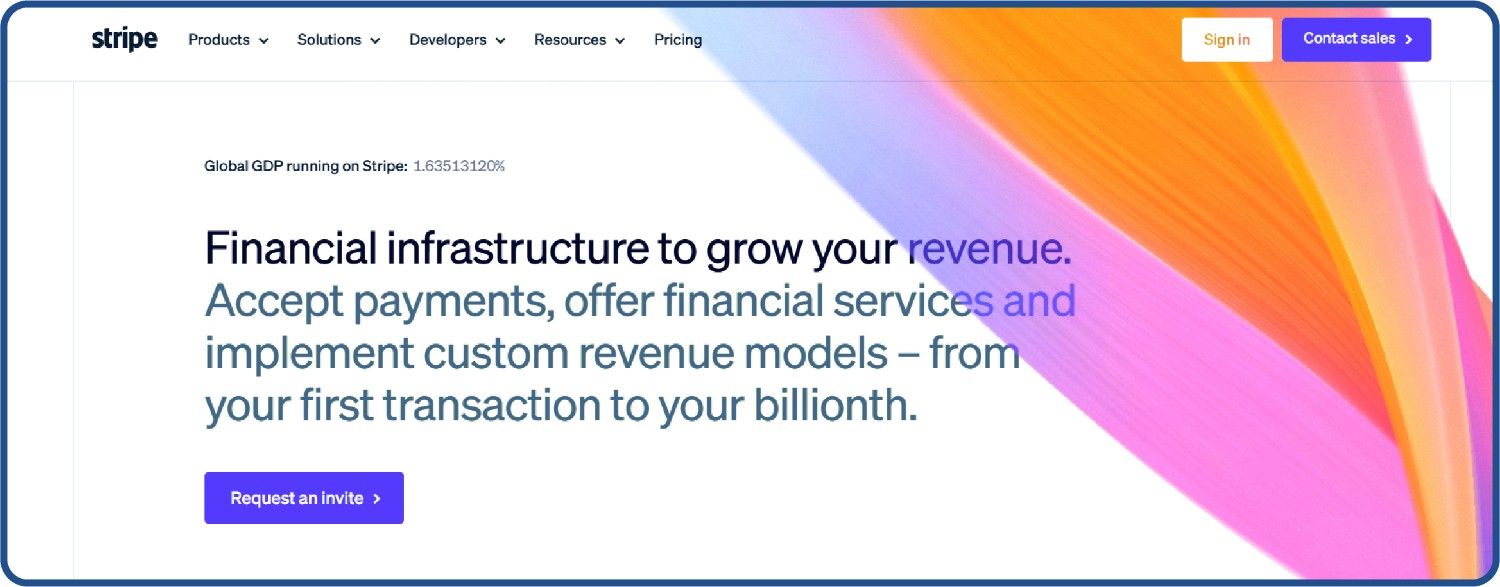
Stripe is a developer-first ecommerce payment gateway used by brands with global customer bases and custom checkout experience requirements. It handles standard payment processing well across 135+ currencies, but it requires technical resources to configure and offers no D2C-specific conversion or retention tools.
What are the key features of Stripe?
- Advanced fraud detection tools via Stripe Radar using machine learning models to reduce false declines
- Strong subscription billing and recurring payment processing capabilities for SaaS and memberships
What are the pros and cons of Stripe?
2. PayPal
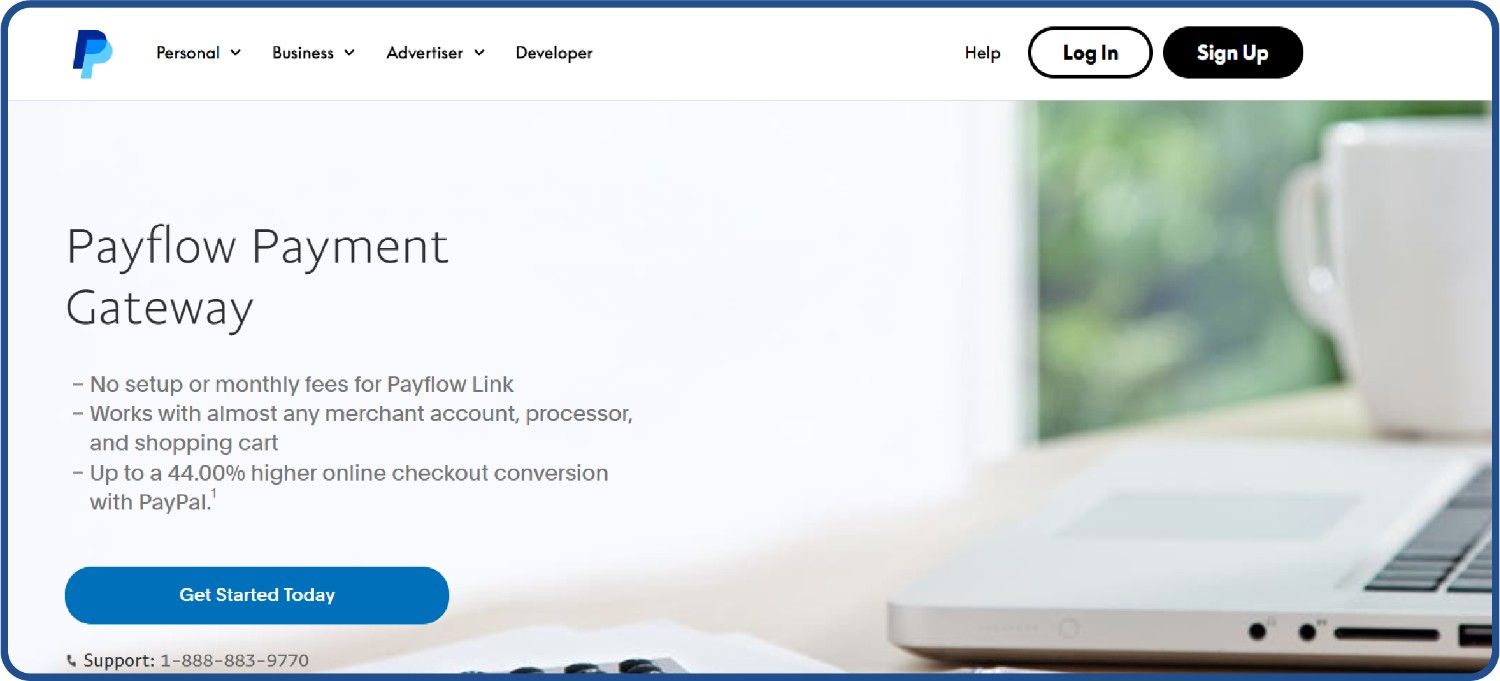
PayPal is one of the most recognized ecommerce payment gateways globally, trusted by over 400 million active users. Its brand recognition boosts conversion rates for merchants selling to first-time buyers, but its higher transaction fees and occasional account-freeze issues make it a costly primary processor at scale.
What are the key features of PayPal?
- Buyer protection programs that increase shopper confidence on unfamiliar online stores
- Native BNPL through Pay Later, reducing cart abandonment rates on high-ticket items
- Supports major credit card payments, digital wallets, and PayPal balance in one interface
What are the pros and cons of PayPal?
|
Pros |
Cons |
|
BNPL and wallet support included natively |
Shoppers redirect off-site unless Braintree is used |
|
Fast setup with no monthly fees |
Merchant accounts can be frozen without warning |

3. Adyen
_1779350860.jpeg)
Adyen supports 250+ payment methods, uses dynamic machine learning for fraud detection, and offers interchange-plus pricing that delivers better margins at scale. Setup and onboarding complexity make it less accessible for smaller stores.
What are the key features of Adyen?
- Supports 250+ payment methods across 150+ currencies for international payments at enterprise scale
- Dynamic machine learning fraud models that improve authorization rates while reducing false declines
What are the pros and cons of Adyen?
|
Pros |
Cons |
|
Best-in-class global payment method coverage |
Complex pricing structure for smaller merchants |
|
Advanced fraud detection using live transaction data |
High minimum invoice may not suit low-volume brands |
|
Unified online and offline payment reporting |
Significant technical setup required for integration |
4. Klarna
_1779351047.jpeg)
Klarna is a BNPL-first ecommerce payment gateway that lets shoppers split purchases into installments or pay later. Brands in low-margin categories should evaluate the transaction fees carefully before committing.
What are the key features of Klarna?
- Pay Later, Pay in 3 and Pay Now options covering the full spectrum of alternative payment methods
- Klarna's brand recognition drives conversion rates for shoppers who actively look for BNPL at checkout
What are the pros and cons of Klarna?
|
Pros |
Cons |
|
BNPL options lift AOV on high-ticket items |
Higher transaction fees than standard card processing |
|
Strong brand trust among BNPL shoppers |
Not cost-effective for low-value product categories |
|
Easy integration with major ecommerce platforms |
Merchant funding timelines vary by market |
5. Braintree
_1779351214.jpeg)
Braintree is a PayPal-owned ecommerce payment gateway built for marketplace platforms and subscription businesses that need flexible payment processing across multiple methods. But its setup demands technical expertise that smaller brands may not have available.
What are the key features of Braintree?
- Accepts PayPal, Venmo, major credit cards and digital wallets in over 200 markets worldwide
- PCI DSS Level 1 compliance with built-in fraud detection and payment data orchestration tools
What are the pros and cons of Braintree?
|
Pros |
Cons |
|
Wide payment method coverage including Venmo |
Transaction fees on small orders reduce margins |
|
PCI DSS Level 1 compliance built in |
Customer support quality inconsistent at scale |
6. Amazon Pay
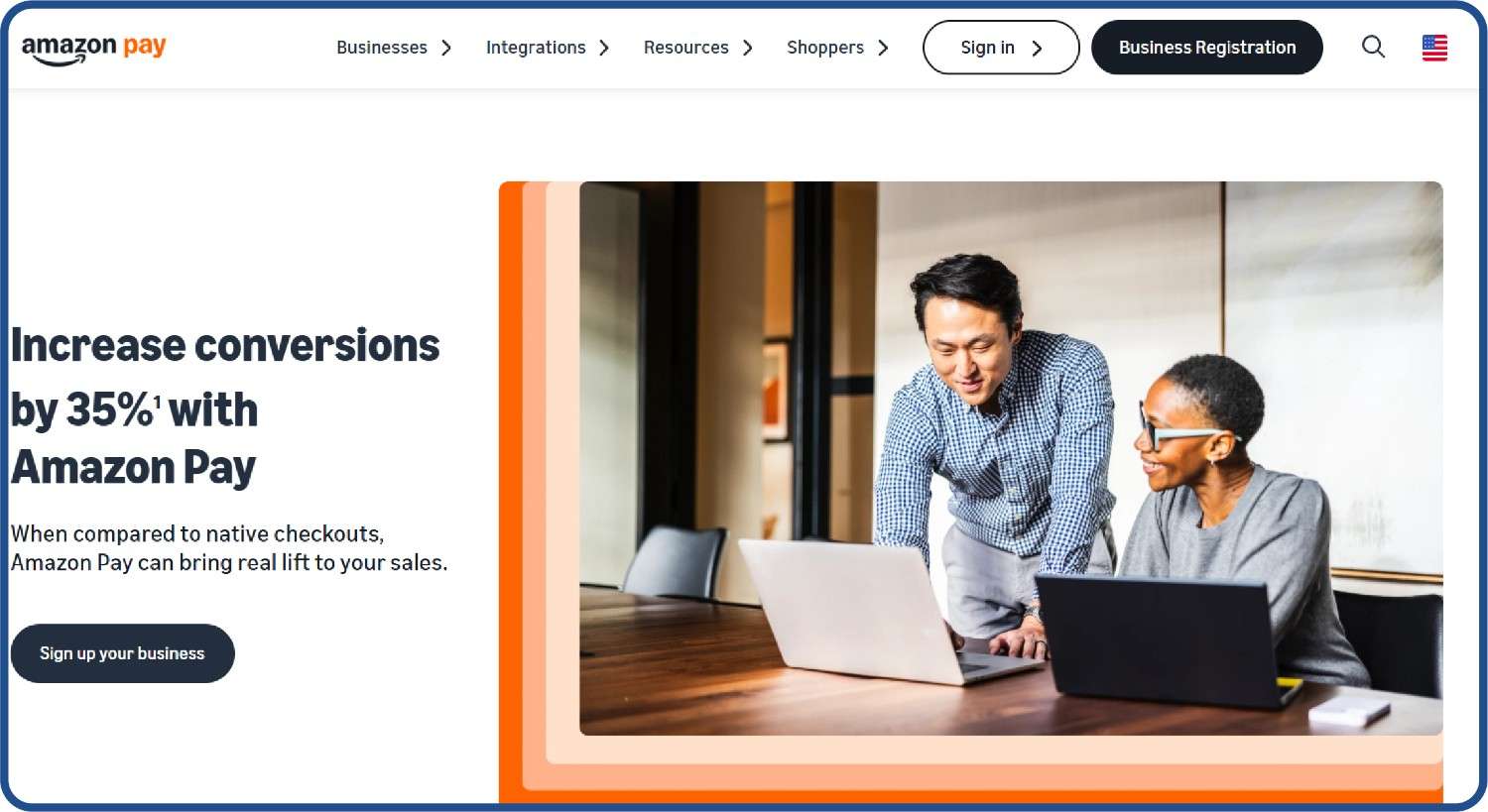
Amazon Pay lets shoppers complete purchases using their stored Amazon payment details and shipping address. This removes the barrier of entering sensitive customer data on an unfamiliar store. It converts well for brands whose audiences overlap with Amazon's user base, but it offers no value to shoppers without Amazon accounts.
What are the key features of Amazon Pay?
- One-click checkout using stored Amazon shipping address and payment information for existing users
- Amazon's A-to-Z Guarantee provides buyer protection that builds trust on smaller online stores
- Integrates with Shopify, WooCommerce and Magento with a simple plugin-based setup
What are the pros and cons of Amazon Pay?
|
Pros |
Cons |
|
High trust signals from Amazon brand recognition |
No value to shoppers without Amazon accounts |
|
Fast checkout using pre-stored payment details |
Additional fees apply for international online transactions |
|
Easy integration with major ecommerce platforms |
Limited payment methods beyond Amazon account balance |
7. PayU
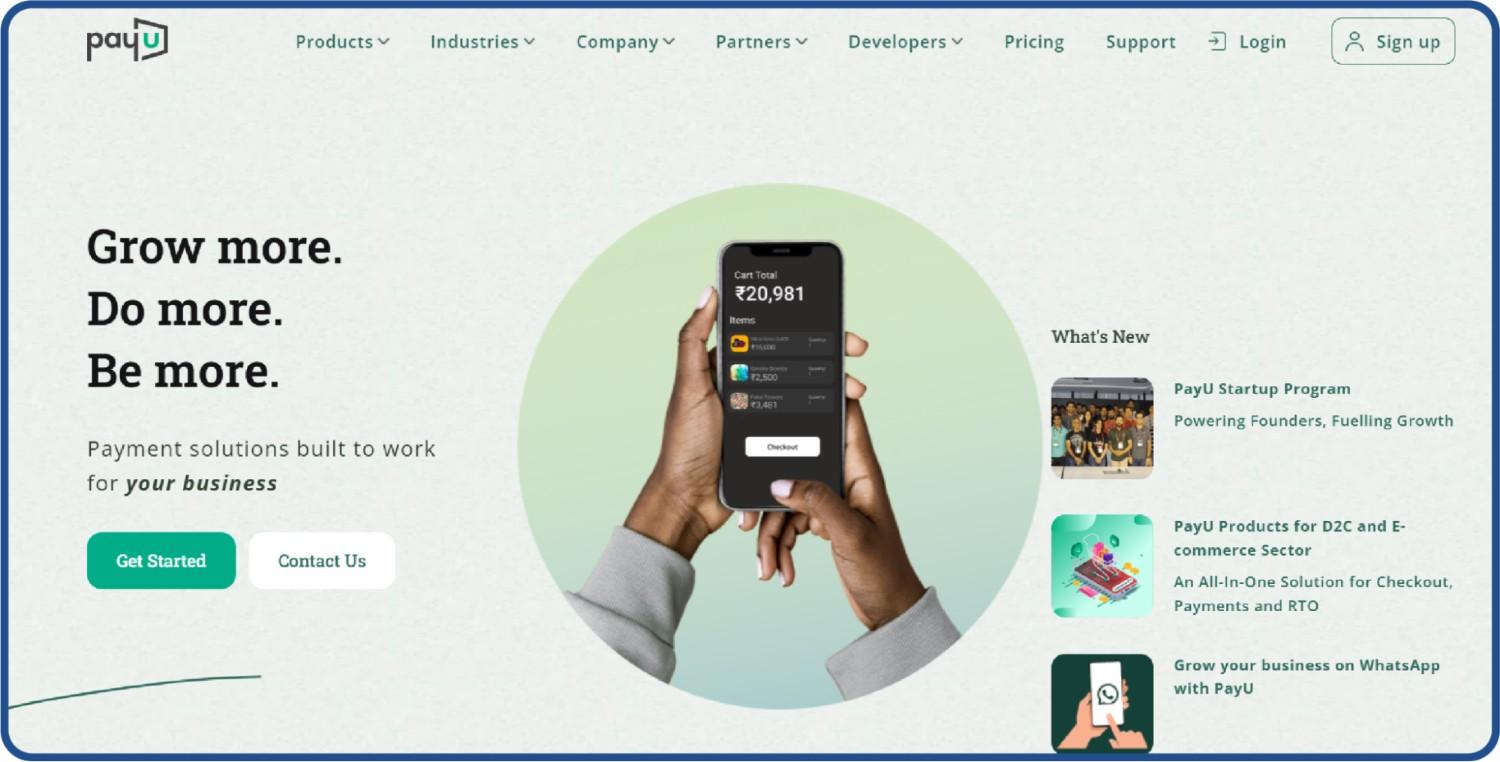
PayU is an India-focused ecommerce payment gateway that supports UPI, cards, wallets and EMI options popular with Indian shoppers. It offers strong local payment method coverage and competitive pricing for domestic transactions, but its international payment capabilities lag behind global alternatives like Stripe or Adyen.
What are the key features of PayU?
- Supports 100+ payment methods including UPI, credit cards, debit cards, wallets and cardless EMI
- Dynamic routing that automatically selects the best-performing payment gateway for each transaction
- Built-in fraud detection and risk management tools designed for Indian transaction patterns
What are the pros and cons of PayU?
|
Pros |
Cons |
|
Strong coverage of Indian payment methods |
Customer support response times occasionally vary |
|
Competitive transaction fees for domestic payments |
|
|
Easy integration with Indian ecommerce platforms |
8. 2Checkout (Verifone)
_1779351490.jpeg)
2Checkout, now rebranded as Verifone, is an ecommerce payment gateway designed for cross-border digital commerce and subscription businesses. Its transaction fees are higher than most alternatives, which limits its appeal for margin-sensitive sellers.
What are the key features of 2Checkout (Verifone)?
- Accepts credit card payments, debit cards and PayPal across 200+ countries and 100 currencies
- Subscription and recurring billing tools designed specifically for digital goods and SaaS products
- Checkout localization across 15 languages and 26 currencies for international payments conversion
What are the pros and cons of 2Checkout (Verifone)?
|
Pros |
Cons |
|
Strong cross-border and international payments support |
Higher transaction fees than most competitors |
|
Built-in subscription and digital goods management |
Additional fees on international online transactions |
9. Square
_1779351876.jpeg)
Square started as a mobile card reader and expanded into a full ecommerce and POS platform. It works well for merchants who sell both online and in person, offering unified reporting across channels. Its online payments capability is solid for small stores, though it lacks the advanced API depth that growing ecommerce brands typically need.
What are the key features of Square?
- Unified POS and online payment processing in one platform with synced inventory
- No monthly fees for standard online transactions, with flat-rate transaction fees per sale
- Built-in loyalty tools, appointment scheduling and customer data reporting alongside payments
What are the pros and cons of Square?
|
Pros |
Cons |
|
Strong omnichannel POS and online integration |
Limited developer API depth for custom builds |
|
No monthly fees for basic payment processing |
Cannot directly integrate with Shopify for online use |
10. Shopify Payments
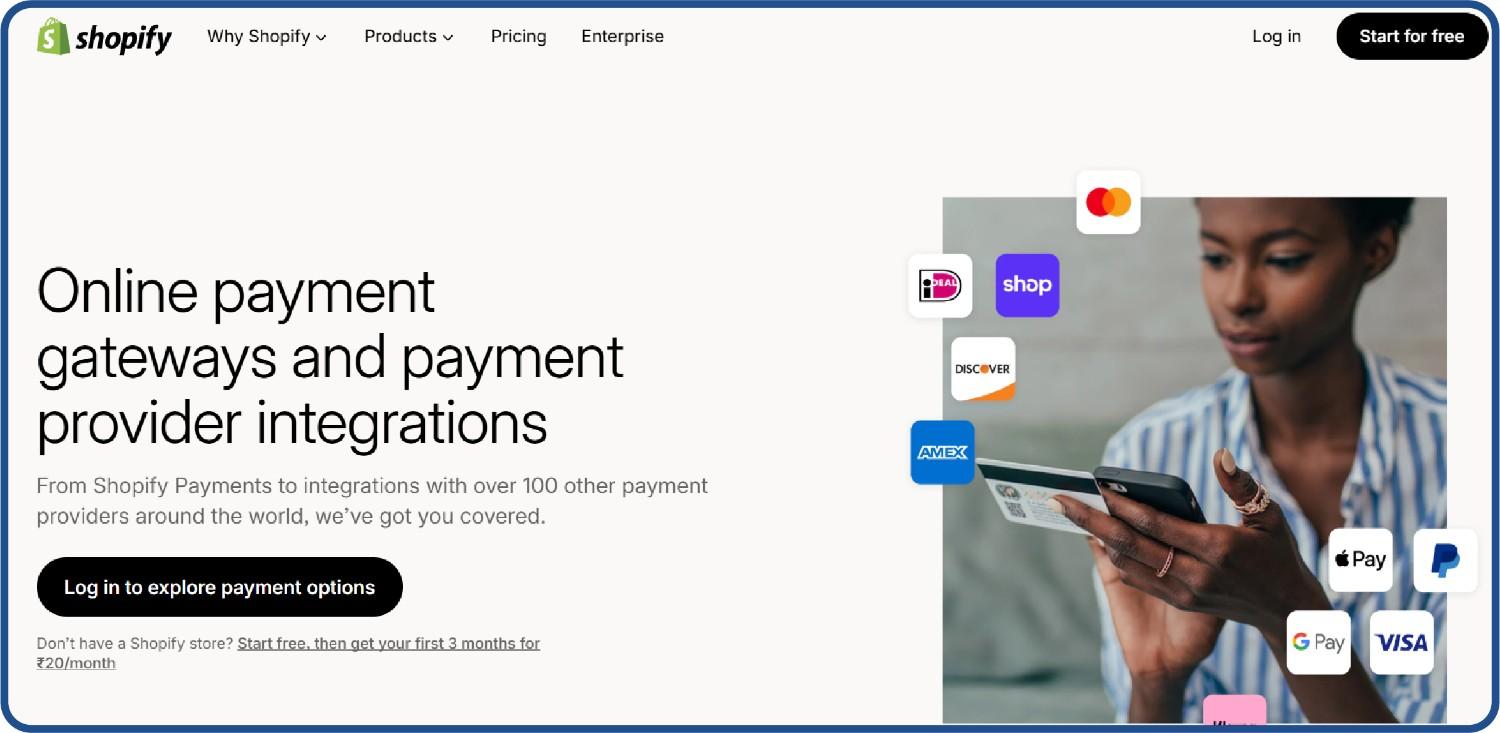
Shopify Payments is the native ecommerce payment gateway built directly into Shopify, eliminating the additional transaction fees that apply when using third-party processors. It is a simple option for Shopify merchants, but it locks your payment infrastructure entirely to the Shopify ecosystem.
What are the key features of Shopify Payments?
- Built-in fraud protection tools and chargeback management within the Shopify dashboard
- Supports Shop Pay, Apple Pay and Google Pay for accelerated checkout process on mobile
What are the pros and cons of Shopify Payments?
|
Pros |
Cons |
|
No third-party transaction fees for Shopify stores |
Available only to Shopify merchants |
|
Fully integrated dashboard and reporting |
Limited flexibility outside the Shopify platform |
|
Fast payout times for US merchants |
Restricted in certain high-risk product categories |
11. WooCommerce Payments
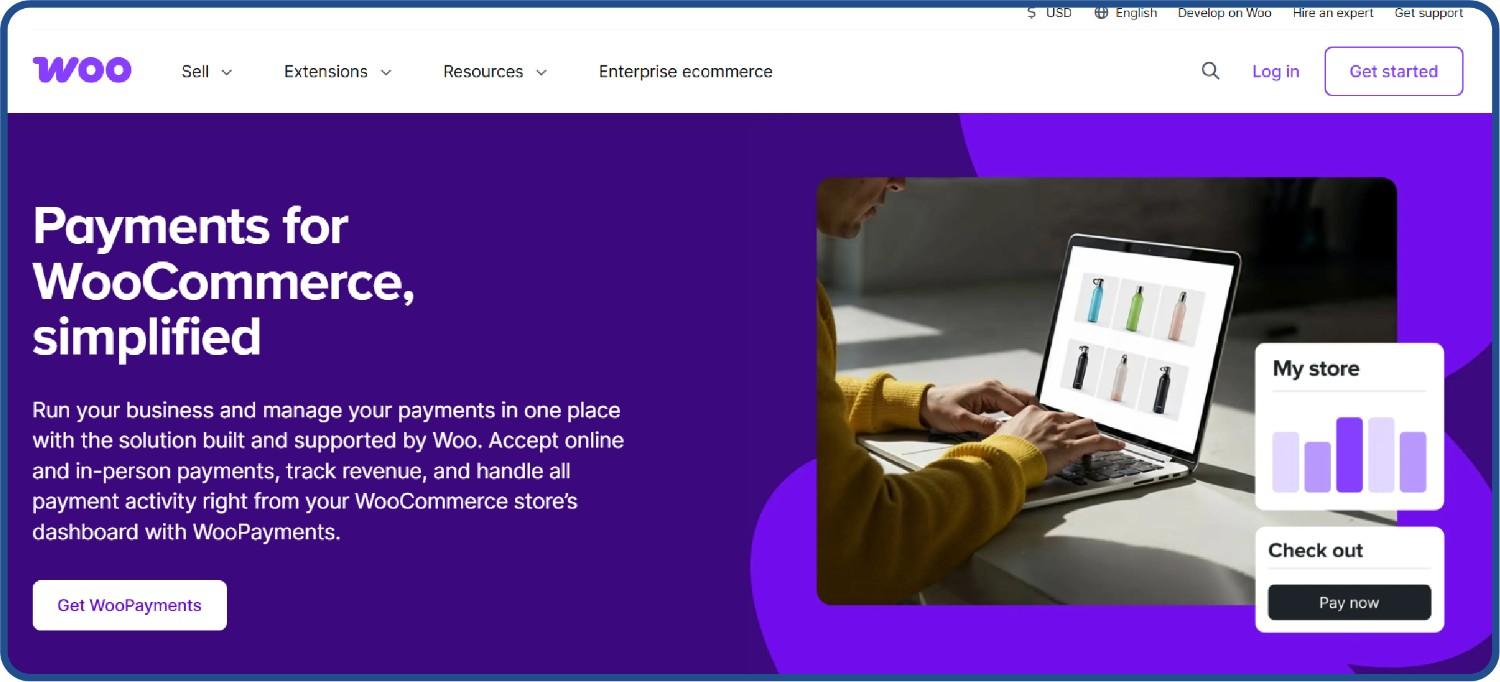
WooCommerce Payments is the native ecommerce payment gateway built for WooCommerce stores, powered by Stripe's infrastructure. It removes the complexity of third-party gateway setup and delivers payments, refunds and dispute management from within the WordPress dashboard.
What are the key features of WooCommerce Payments?
- Supports major credit card payments, digital wallets and multi-currency online transactions
- Powered by Stripe's infrastructure, providing PCI DSS compliance and built-in fraud protection
What are the pros and cons of WooCommerce Payments?
|
Pros |
Cons |
|
Native WooCommerce dashboard integration |
Only available for WooCommerce stores |
|
Built on Stripe's reliable payment infrastructure |
Limited payment method range outside core cards |
|
No additional platform transaction fees |
Scaling beyond WooCommerce requires gateway migration |
12. Pine Labs
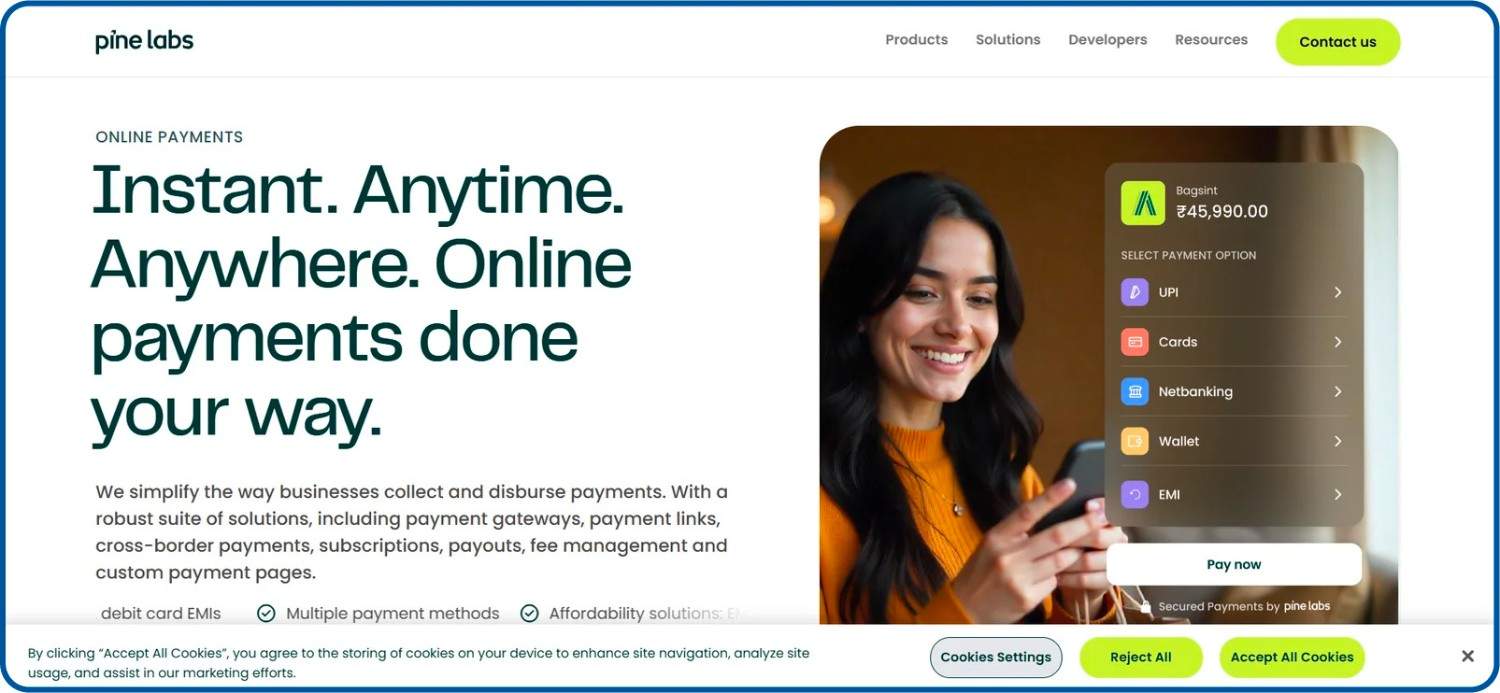
Pine Labs started as a POS solutions provider and expanded into online payment processing. It serves omnichannel merchants well with unified reporting across online and offline sales, but its online-only capabilities are less developed compared to digital-first payment gateways.
What are the key features of Pine Labs?
- Unified payment processing across online checkout and physical store POS systems
- Supports cards, UPI, wallets, BNPL and cardless EMI for Indian shoppers
- EMI processing at checkout without requiring pre-approved credit lines from banks
What are the pros and cons of Pine Labs?
|
Pros |
Cons |
|
Strong omnichannel reporting and reconciliation |
Integration may require additional setup time |
|
Built-in EMI and BNPL options |
|
|
Established brand trust in retail |
13. Easebuzz
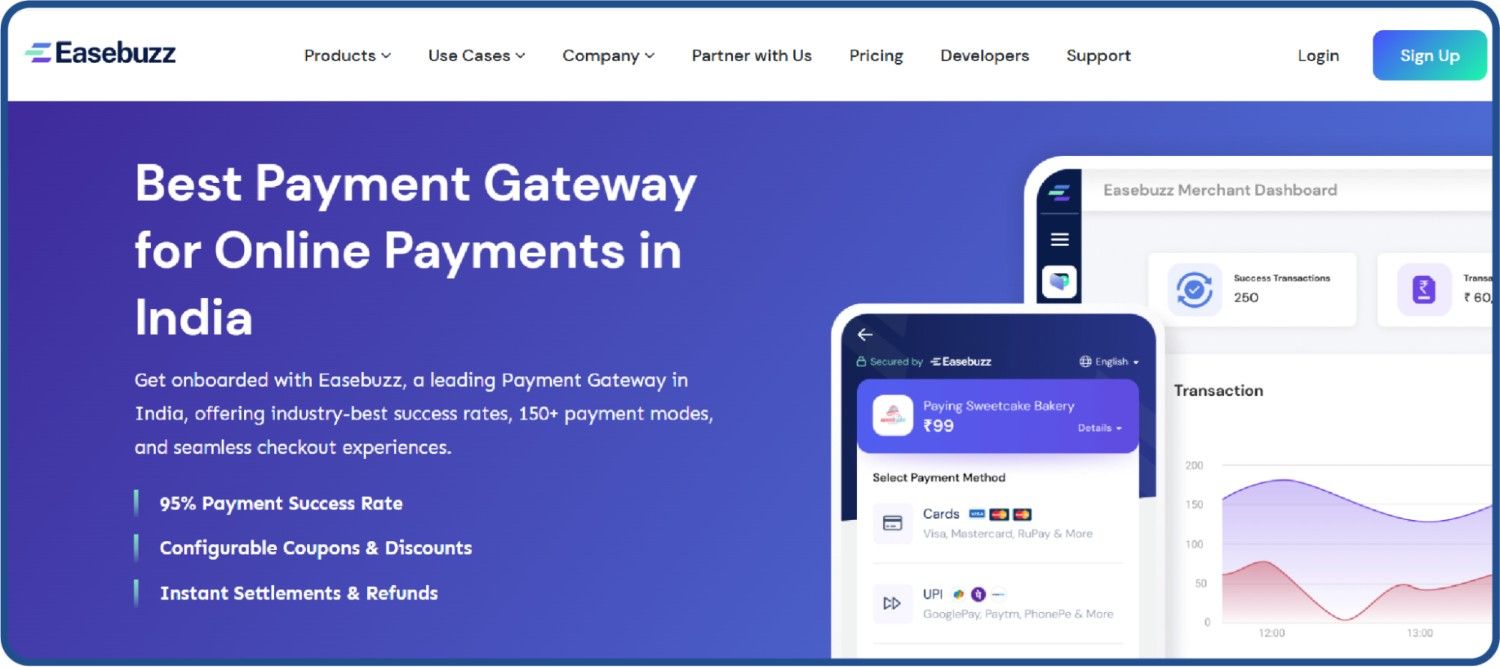
Easebuzz is a payment gateway built specifically for Indian merchants, offering instant settlement and low transaction fees. It handles standard payment processing well for small to mid-sized D2C brands, but lacks the advanced developer tools and global reach that growing businesses eventually need.
What are the key features of Easebuzz?
- Instant settlement option that transfers funds to merchant accounts within minutes of transaction approval
- Supports UPI, cards, wallets, net banking and EMI through a single integration
- No setup fees or annual maintenance charges for standard merchant accounts
What are the pros and cons of Easebuzz?
|
Pros |
Cons |
|
Instant settlement improves cash flow |
Optimized primarily for the Indian market |
|
No setup or maintenance fees |
|
|
Strong UPI and wallet integration |
14. Authorize.Net
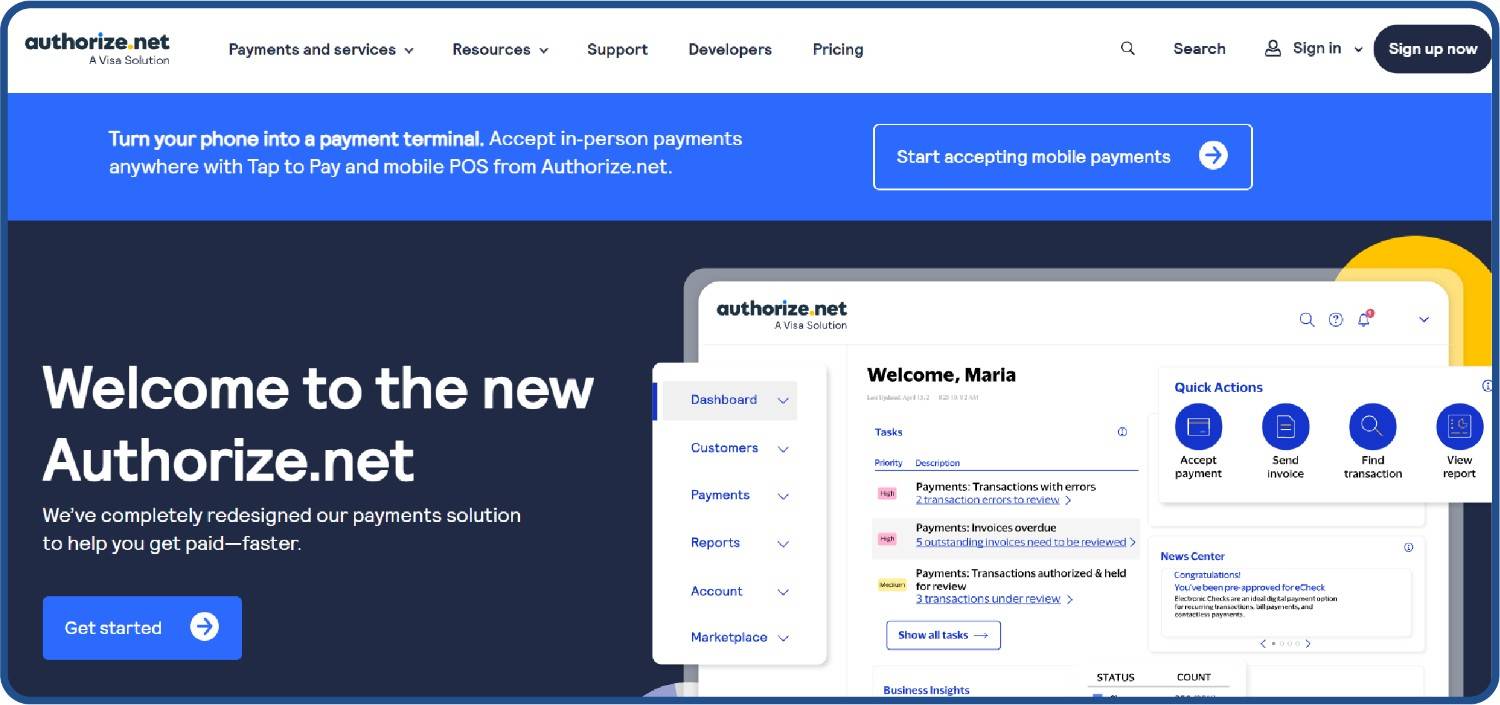
Authorize.Net is one of the oldest and most widely integrated ecommerce payment gateways in the US market. It serves high-volume merchants well, but its interface and feature set have not kept pace with modern checkout experience expectations.
What are the key features of Authorize.Net?
- Accepts all major credit cards, eChecks and digital wallets through a dedicated merchant account
- Advanced fraud detection tools including IP filtering, velocity controls and card data verification
- Recurring billing and subscription management built directly into the payment processing platform
What are the pros and cons of Authorize.Net?
|
Pros |
Cons |
|
Strong fraud prevention tools and recurring billing |
Monthly fees add up for lower-volume stores |
|
Reliable high-volume transaction processing |
Limited international payment method support |
15. Worldline
_1779353109.jpg)
Worldline is a European payment processor with expanding operations in India. It offers enterprise-grade security and compliance infrastructure alongside support for both Indian and international payment methods, but its pricing and onboarding process favor larger merchants over small D2C brands.
What are the key features of Worldline?
- PCI DSS Level 1 certified infrastructure with tokenization and end-to-end encryption
- Supports UPI, cards, wallets and international payment methods in a single integration
- Advanced fraud management tools with customizable risk rules and real-time monitoring
What are the pros and cons of Worldline?
|
Pros |
Cons |
|
Enterprise-grade security and compliance |
Pricing structure designed for enterprise scale |
|
Strong international payment support |
Onboarding process more thorough for compliance |
|
Reliable uptime and transaction processing |
Selecting a recognized processor is only step one. While top global gateways move funds reliably, standard processing software leaves massive operational gaps untouched.
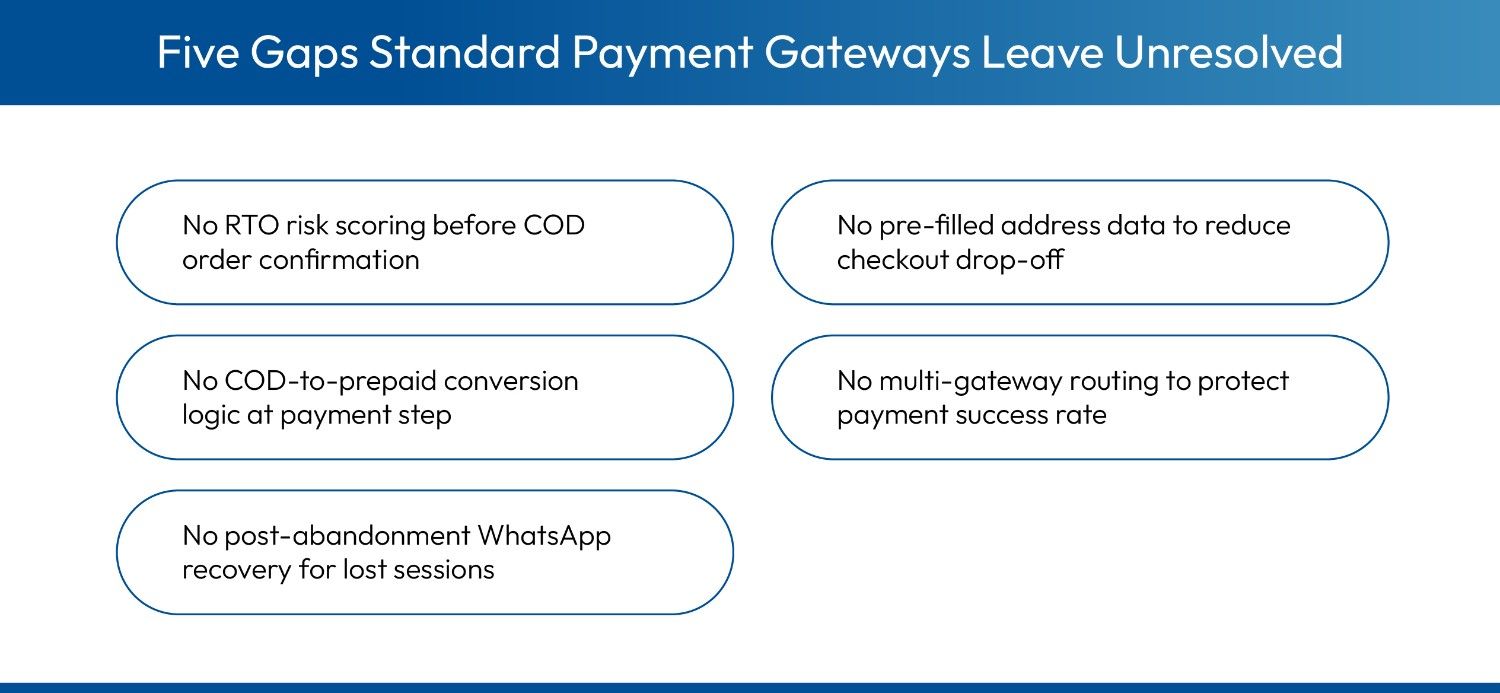
These five critical blind spots directly trigger revenue leakage for Indian merchants daily.
Why Your D2C Brand Needs Kwik Checkout with an E-Commerce Payment Gateway?
_1779350453.jpeg)
Standard gateways process transactions. They don't reduce RTO, convert COD buyers, or recover abandoned checkouts. For Indian D2C brands, those gaps cost real revenue.
Kwik Checkout is not a payment gateway. It is an optimization layer that sits between your store and your chosen processor, whether that is Stripe, Razorpay or PayPal. It transforms a standard transaction pipe into a conversion engine by addressing the gaps that cause revenue leakage at the checkout page and beyond.
Kwik Checkout addresses every gap that standard ecommerce payment gateways leave open for D2C brands operating in India:
- Multi-Gateway Orchestration: Routes every transaction through the highest-performing gateway available, protecting payment processing success rates across all payment modes and reducing failed transactions that trigger abandonment.
- The Network Effect: Recognizes 180M+ shoppers across the GoKwik network and pre-fills verified address data at checkout, eliminating the form friction that causes drop-off after a shopper reaches the checkout page with purchase intent.
- RTO Intelligence: Scores every cash on delivery order for return-to-origin risk in real time using behavioral signals and historical customer data, flagging high-risk orders before confirmation and protecting brand margins without blocking genuine buyers.
- COD-to-Prepaid Conversion: Deploys targeted discount incentives at the payment process step, converting shoppers who arrived with COD intent to prepaid orders and directly improving cash flow alongside reducing RTO exposure.
- Automated Recovery: Integrates with Kwik Engage to send personalized WhatsApp messages to shoppers who abandoned the checkout experience, recovering sessions that standard ecommerce payment gateways have no mechanism to recapture.
- Compatibility: Seamless compatibility across Shopify, WooCommerce and Magento means D2C brands on any major platform can deploy Kwik Checkout without rebuilding their existing ecommerce platforms integration.
Kwik Checkout is the right solution for D2C brands that already have a payment gateway partner but need to reduce RTO losses, improve conversion rates and increase the share of prepaid orders from every session.
Conclusion
Choosing the right ecommerce payment gateways is one of the most important infrastructure decisions a D2C brand makes. Each option in this guide processes payments reliably, but none of them solve for the conversion, RTO and recovery challenges that define profitability for Indian D2C brands operating at scale.
A multi-gateway architecture consistently outperforms any single gateway. A smart checkout layer routes transactions based on real-time performance data. The brands growing fastest are not just choosing better processors. They are building smarter checkout infrastructure around those processors.
Book a demo with GoKwik today and see how Kwik Checkout turns your existing ecommerce payment gateway into a full-stack conversion engine.
Frequently Asked Questions

AUTHOR
Parousia Khan
Senior Product Marketing Manager @GoKwik